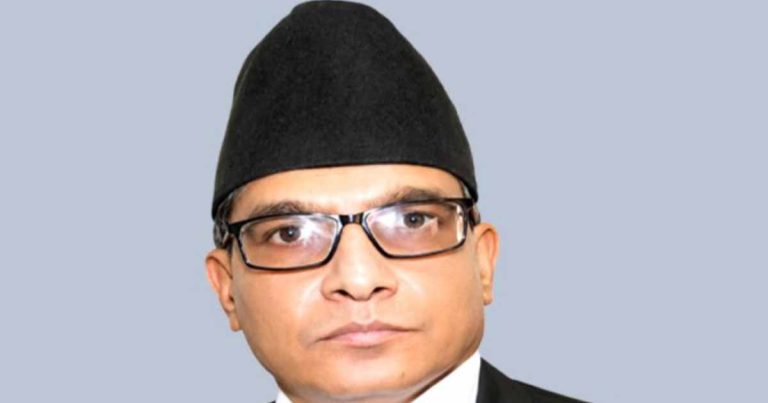
Nepal Judiciary Rebounds After Fire as New Baglung High Court Facility Opens
Chief Justice Prakash Man Singh Raut says Nepal’s judiciary has recovered from fire damage, with thousands of case files restored and a new modern High Court facility now operating in Baglung.


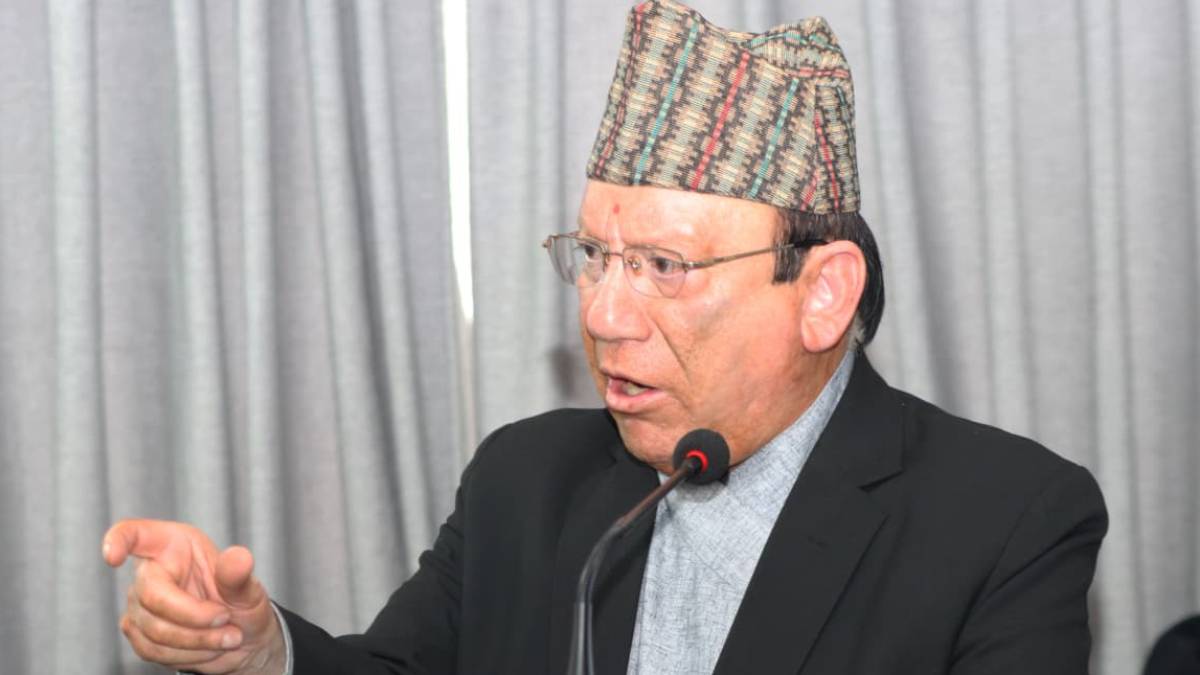
Chief Justice Prakash Man Singh Raut has said that although a fire incident affected the judiciary, justice for citizens has not been extinguished.
Judiciary rises again after fire
Addressing the inauguration of a newly built, state-of-the-art facility of the Pokhara High Court’s Baglung Bench, Chief Justice Raut said violent attempts to undermine the judiciary had failed, adding that the institution has risen again from the ashes.
He said that of the approximately 20,000 case files damaged in the fire at the Supreme Court, more than 14,000 have already been reconstructed. According to him, the files were restored with support from senior lawyers, bar units and government attorneys’ offices, demonstrating the judiciary’s recovery.
Public trust depends on service delivery
Chief Justice Raut emphasised that public trust in the judiciary is built not through physical infrastructure alone but through effective and reliable service delivery. He said the country has entered a sensitive phase following the Gen-Z movement and that the justice system must undergo a thorough review to improve the quality of its services.
Referring to the fire incidents targeting state institutions, he said the attacks on all three organs of the state were premeditated, but the judiciary has endured. “Public anger has been expressed, but we have stood back up,” he said, urging judges and court staff to work with confidence as the Supreme Court gradually returns to normal operations. He called for further reforms to ensure citizens receive high-quality judicial services.
New Baglung court facility completed on time
On the occasion, Chief Judge of the Pokhara High Court’s Baglung Bench Natibabu Lamichhane said the new court building, constructed to replace a structure damaged by an earthquake, was completed within the agreed timeframe.
Construction began on December 1, 2022 (Mangsir 15, 2079 BS) with a target of completion within 30 months, but the project was completed in late May, allowing services to begin from mid-July.
The new facility has six modern courtrooms, enabling the simultaneous hearing of six cases. The main building, comprising six and a half storeys including an underground level, is accompanied by separate blocks for a guest house and residences for judges, the registrar, security personnel and staff.
Built on seven ropanis of land, the complex is technology-friendly, disability-accessible and earthquake-resistant. According to the Urban Development and Building Construction Office, it is the largest and most modern court facility among the benches serving the four districts of the former Dhaulagiri Zone.


Written by Roshani Shrestha Pathak
Roshani Shrestha Pathak is the English Bureau Chief at Khoj Samachar, overseeing English-language editorial operations and newsroom coordination.
Nepal to Fine Fuel Pumps Up to NPR 1 Million for Shutting Down
Why Susta Residents Have Come to Kathmandu?
Nepal Government to Print National ID Cards Itself
Everything You Need to Know About the 2026/27 National Budget

Singha Durbar Toilets Remain in Poor Condition
Manoj Kumar Sharma Set to Become Nepal’s Chief Justice
Hearing Begins for Chief Justice Nominee Manoj Kumar Sharma