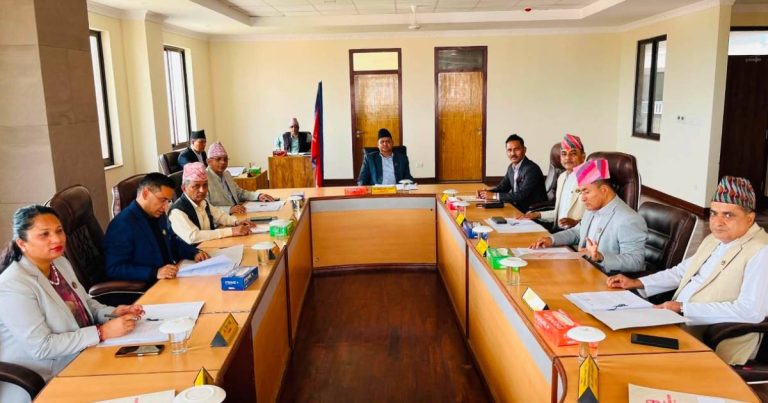
Bishwa Prakash Sharma Questions PM Over Political Trust
Nepali Congress leader Bishwa Prakash Sharma raises concerns about political coordination and growing public disappointment


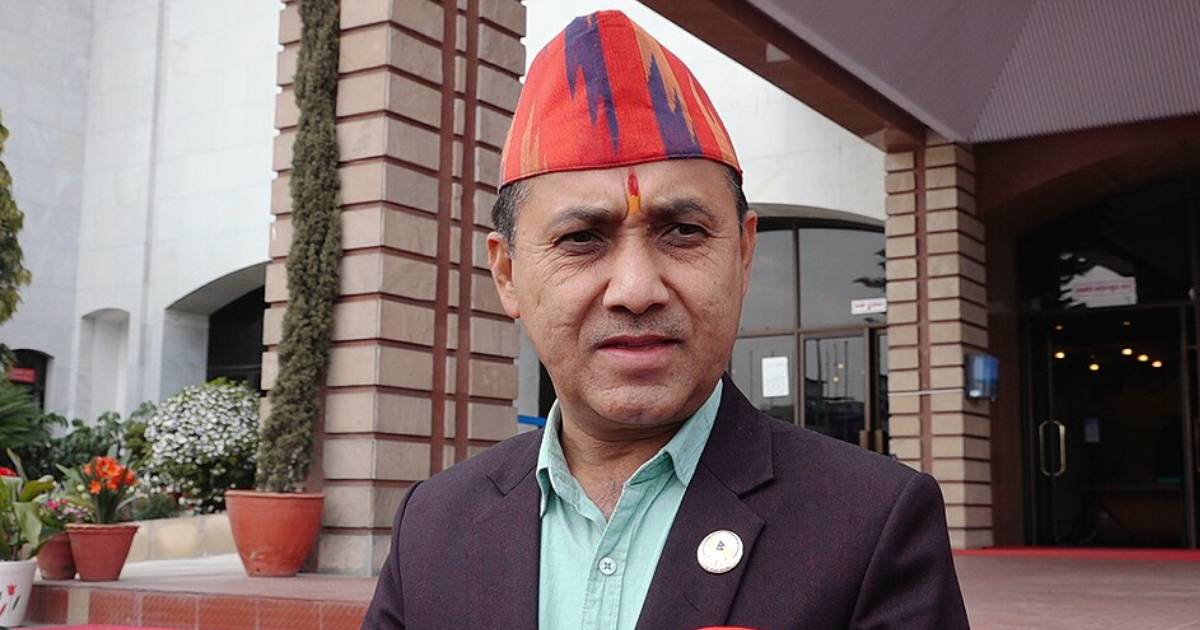
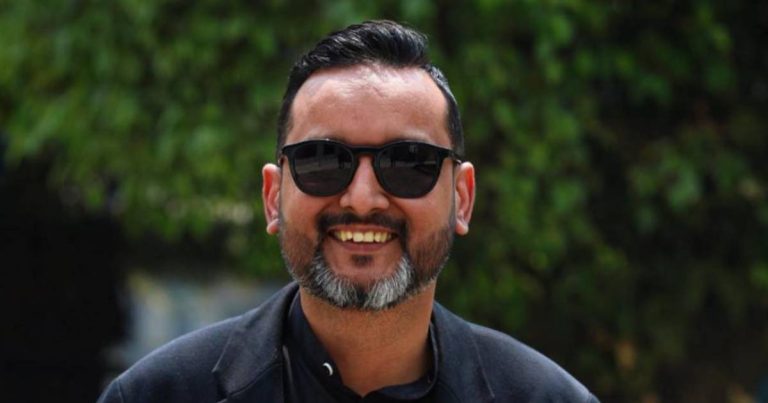
Prime Minister Balen Shah and Rastriya Swatantra Party chair Rabi Lamichhane have come under public scrutiny after Nepali Congress Vice President Bishwa Prakash Sharma raised concerns over recent political developments and the government’s working style.
In a statement shared through social media, Sharma questioned whether the prime minister was operating in coordination with Lamichhane and warned that growing public frustration could weaken confidence in the parliamentary system.
His remarks have added a fresh political dimension to ongoing discussions surrounding leadership, accountability, and trust in the country’s governance.
Sharma Questions Political Coordination
Sharma directly addressed Lamichhane while expressing concern about the direction of recent political events. He publicly asked whether Prime Minister Balen Shah was functioning under Lamichhane’s coordination or influence.
The senior Nepali Congress leader suggested that political conduct and leadership behavior play a crucial role in protecting the dignity of the parliamentary system. According to him, democratic institutions cannot remain strong without responsible actions from political leaders.
His statement quickly drew attention online, particularly because it linked concerns about governance with the broader issue of public trust in politics.
Concerns Raised Over Parliamentary Conduct
The Nepali Congress vice president stressed that parliamentary democracy depends heavily on how political leaders behave and respond during critical moments.
He argued that political systems do not become effective automatically and instead rely on the discipline, accountability, and conduct of those in leadership positions.
According to Sharma, recent developments have created disappointment among citizens at a time when the country needs stronger political confidence and stability.
The remarks reflected growing concern within opposition circles about the current political atmosphere and the government’s public image.
Warning Over Growing Public Frustration
Sharma expressed concern that public optimism built earlier in the political process was gradually weakening. He referred to a political environment of trust that had emerged on March 5 and claimed that the atmosphere was now deteriorating.
He warned that increasing public disappointment could negatively affect both the political system and the national interest.
The statement highlighted fears that repeated political disputes and uncertainty may reduce citizens’ confidence in democratic institutions.
Political observers have noted that such comments from senior leaders often signal deeper tensions within the wider political landscape.
Social Media Statement Draws Attention
The issue gained wider attention after Sharma published his views through social media rather than during a formal political event or parliamentary discussion.
In the message, he urged leaders to remain alert and act responsibly in order to protect public trust. He also stated that his comments were offered as open suggestions without prejudice.
The tone of the statement suggested dissatisfaction with current political management while also calling for greater political maturity among leaders.
Social media has increasingly become a major platform for political communication in the country, especially during periods of political debate and public criticism.
Questions Surround Leadership and Accountability
The remarks have intensified discussions about leadership accountability and coordination among major political figures.
Sharma’s statement did not include any direct accusation but raised questions about political decision-making and leadership responsibility. By publicly naming both Balen Shah and Rabi Lamichhane, he brought attention to the relationship between political leadership and governance practices.
The comments also reflected wider concerns about whether political leaders are effectively responding to growing public expectations.
Issues related to transparency, coordination, and responsibility have remained central topics in recent political discussions.
Political Debate Continues to Grow
The latest remarks are expected to fuel further political debate in the coming days as parties continue responding to public concerns and shifting political dynamics.
While Sharma framed his comments as constructive suggestions, the statement has already triggered broader conversations among political supporters and critics online.
Key points raised in his statement included:
- Questions about coordination between political leaders
- Concerns over weakening public trust
- Warnings about disappointment among citizens
- Calls for responsible political behavior
- Emphasis on protecting the parliamentary system
The debate surrounding political accountability and leadership conduct remains an important issue as public attention continues to focus on the government’s actions and the behavior of senior political figures.
Focus Remains on Public Confidence
At the center of Sharma’s remarks was the issue of public confidence in politics and democratic institutions.
He argued that political leaders must remain aware of the impact their actions have on citizens and the wider political environment. According to him, spreading frustration among the public cannot serve the interests of either the political system or the country.
The comments underline the growing importance of public perception in national politics, particularly during periods of political uncertainty and heightened debate.
As discussions continue, attention is likely to remain focused on how political leaders respond to criticism and whether efforts are made to restore confidence among citizens.


Written by Roshani Shrestha Pathak
Roshani Shrestha Pathak is the English Bureau Chief at Khoj Samachar, overseeing English-language editorial operations and newsroom coordination.
Why Susta Residents Have Come to Kathmandu?
Nepal Government to Print National ID Cards Itself
Everything You Need to Know About the 2026/27 National Budget
Singha Durbar Toilets Remain in Poor Condition
Manoj Kumar Sharma Set to Become Nepal’s Chief Justice
Koshi Police Honors Inspector Sagar Sah for Innovative Policing
Asim Shah Reacts to Possible Gen Z Boycott of Talks