The arrest of a senior banking executive in Nepal has intensified scrutiny over the controversial sale of assets belonging to Smart Telecom, a telecommunications company whose operating license had already been revoked and brought under government control. Investigators allege that property and infrastructure linked to the company were sold despite legal provisions stating that such assets fall under state ownership once a license is cancelled.
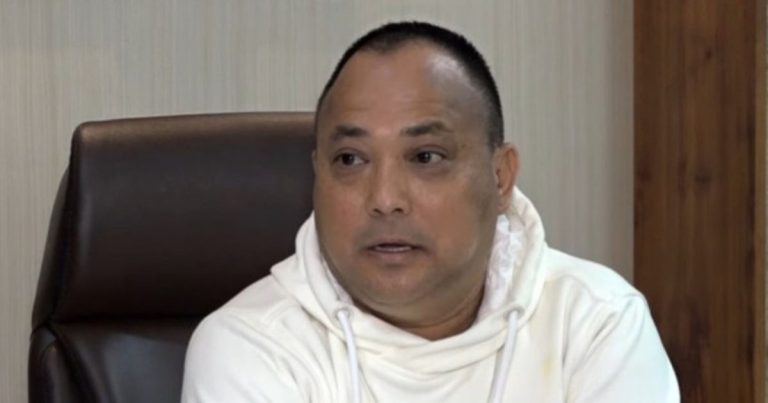
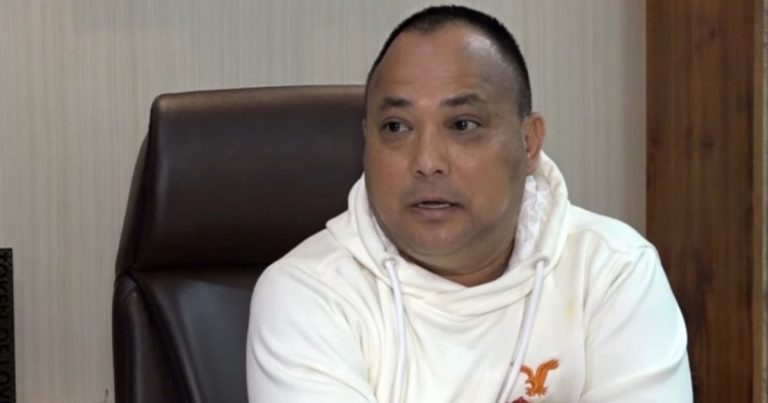
Police have confirmed the detention of Jyoti Prakash Pandey, chief executive officer of Nepal Investment Mega Bank, as part of an ongoing investigation led by the Central Investigation Bureau. The case has raised broader concerns about the handling of telecom assets, banking procedures, and the protection of government interests in financially troubled companies.
Bank CEO Taken Into Custody During Investigation
The Central Investigation Bureau arrested Nepal Investment Mega Bank CEO Jyoti Prakash Pandey in connection with the alleged unlawful auction of Smart Telecom assets. Senior police officials confirmed that Pandey was taken into custody as investigators examine the role played by the bank in the transaction.
Authorities say the investigation focuses on the sale of telecommunications infrastructure and equipment that had already come under state control after Smart Telecom failed to renew its operating license. According to investigators, the transaction may have violated existing legal provisions governing telecom assets once a license is revoked.
Police officials stated that the arrest was made for investigative purposes as the bureau continues collecting evidence related to the case.
Questions Raised Over Smart Telecom Asset Sale
The controversy centers on the disposal of Smart Telecom property and network equipment after the company’s license was cancelled. Under Nepal’s legal framework, telecom infrastructure linked to a revoked license is considered to fall under the authority of the state and the telecommunications regulator.
Investigators allege that despite this legal status, the assets were auctioned and sold to another telecommunications company by Nepal Investment Mega Bank. Police believe the sale may have caused financial harm to the government by undermining state rights over the infrastructure.
The bureau has described the case as involving allegations of fraud and criminal breach of trust connected to the handling of the telecom company’s property.
Earlier Arrest Linked to the Same Case
The investigation had already led to the arrest of former Smart Telecom chairman Sarvesh Joshi before the detention of the bank executive. Police say preliminary findings indicate that the auction process was carried out with Joshi’s approval.
Authorities are examining decisions taken during the period after Smart Telecom lost its license renewal status and came under the control of the Nepal Telecommunications Authority. Investigators suspect that the auction of the company’s equipment and infrastructure may have been conducted despite legal restrictions.
The case has expanded beyond individual actions, with police indicating that several parties connected to the process are now under review.
Investigation Triggered After Court Petition
The investigation gained momentum after a chartered accountant filed a petition at the Supreme Court demanding a detailed inquiry into the handling of Smart Telecom assets and financial activities linked to the company.
During the inquiry, investigators reportedly found indications that loans worth more than four billion rupees may have been issued without adequate collateral. Police sources also claim that another commercial bank may have had involvement in the broader financial arrangements connected to the case.
Authorities have not announced formal charges related to the lending issue, but investigators continue examining financial transactions and internal approvals connected to the telecom company.
Concerns Over Outstanding Government Revenue
Officials involved in the investigation say Smart Telecom still owed the government nearly seven billion rupees in unpaid revenue obligations apart from licensing fees. Investigators believe the disputed auction process may have affected the government’s ability to recover dues linked to the company.
The bureau alleges that the sale of assets could have weakened the state’s legal claim over telecom infrastructure that should have remained under government authority after the cancellation of the operating license.
The issue has drawn public attention because of the large amount of unpaid liabilities associated with the telecom operator and the involvement of major financial institutions.
Police Continue Expanding Inquiry
The Central Investigation Bureau says the investigation remains ongoing and additional individuals or organizations connected to the transaction could face questioning. Authorities are reviewing documents related to the auction process, ownership approvals, and financial dealings surrounding Smart Telecom.
Police officials have indicated that the inquiry will examine whether established procedures were bypassed during the disposal of the company’s assets. Investigators are also studying the relationship between the telecom company, financial institutions, and parties involved in the transfer of infrastructure and equipment.
The case is expected to remain under close public and legal scrutiny as investigators continue gathering evidence and determining whether further action will be taken against those involved.