Nepal Government Pushes Free School Education Plan, Targets Quality Gap Impact
Draft policy promises major education investment, aims to bridge public-private school divide and expand access nationwide


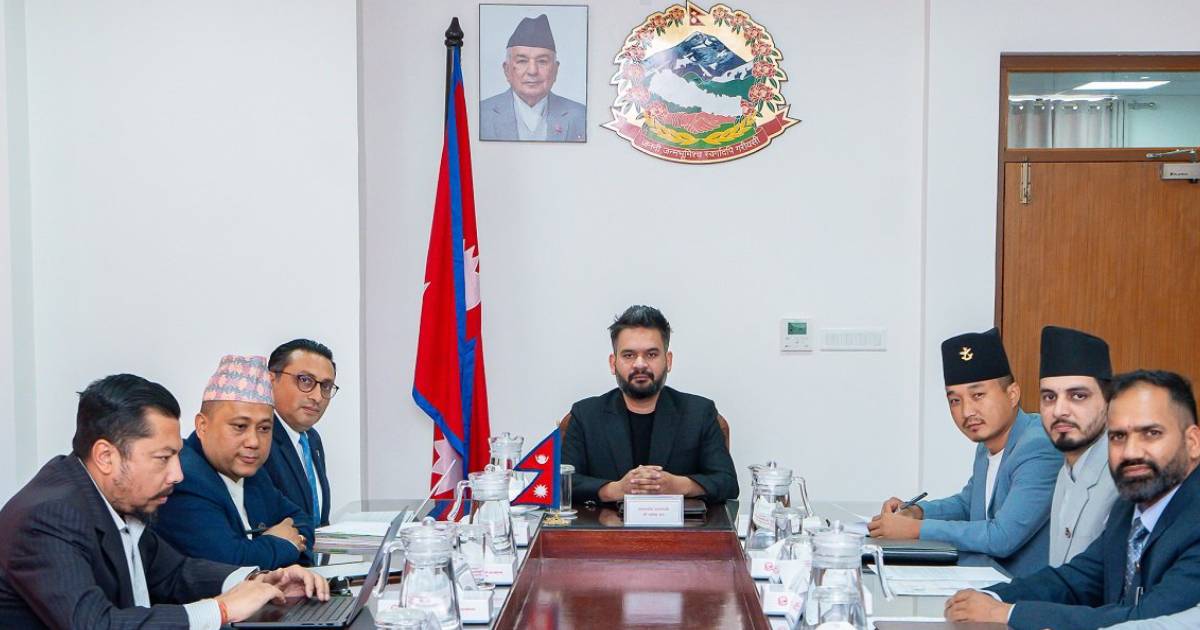
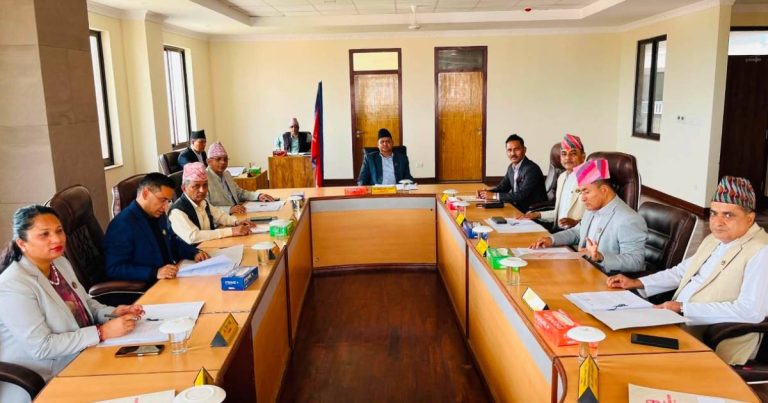
The Government of Nepal has unveiled a draft national commitment to make school education free and compulsory, aiming to address long-standing inequalities in access and quality. The plan signals a major policy shift with potential nationwide impact on students, teachers, and institutions.
The proposal, based on commitments from six political parties, emphasizes increased long-term investment in public education and structural reforms to improve competitiveness and inclusivity.
Major investment push to transform education
The government has pledged significant funding over the next two decades to overhaul public education. The draft states that improving quality, accessibility, and competitiveness will be central to the reform agenda.
Authorities plan to gradually make school education compulsory and free, including pre-primary levels, ensuring equal access for all children across Nepal. Officials say the move is designed to tackle disparities that have persisted between urban and rural areas, as well as among socio-economic groups.
Focus on public school quality gap
A key element of the plan is reducing the widening quality gap between private and public schools. The government aims to upgrade infrastructure, provide better teaching resources, and strengthen accountability mechanisms in community schools.
Teacher performance will be linked directly to student learning outcomes, marking a shift toward results-based evaluation. The draft also proposes performance-based grants to schools, encouraging competition and improvement within the public system.
Policy reforms to regulate private sector
The government has indicated it will review existing policies governing private education providers. The goal is to make private education more service-oriented, accountable, and quality-focused.
Officials believe this could help balance the education ecosystem, where private institutions currently dominate in perceived quality.
Inclusive education and mother-tongue learning
The proposal includes plans to expand inclusive education by establishing at least one modern model school in every province. These institutions would serve as benchmarks for accessibility and inclusivity.
Additionally, the government aims to introduce mother-tongue-based education at the foundational level, alongside moral education in school curricula.
Shift toward practical and skill-based learning
A major structural change outlined in the draft involves introducing practical education models. Students could spend four days a week on activities such as production, innovation, sports, music, and vocational training.
The policy emphasizes “learning by doing,” aiming to better prepare students for both employment and national development.
Higher education reforms target jobs and research
The government also plans to restructure universities to make higher education more competitive, research-driven, and employment-oriented. Proposals include enforcing academic calendars, expanding technical education, and launching “earn while you learn” programs to support students financially.
Experts say the success of the plan will depend on effective implementation, sustained funding, and political consensus, as Nepal attempts one of its most ambitious education reforms in decades.


Written by Roshani Shrestha Pathak
Roshani Shrestha Pathak is the English Bureau Chief at Khoj Samachar, overseeing English-language editorial operations and newsroom coordination.
Nepal Government to Print National ID Cards Itself
Everything You Need to Know About the 2026/27 National Budget
Singha Durbar Toilets Remain in Poor Condition
Manoj Kumar Sharma Set to Become Nepal’s Chief Justice

Koshi Police Honors Inspector Sagar Sah for Innovative Policing
Mahabir Pun Faces Criticism Over Relief Teacher Remarks

Asim Shah Reacts to Possible Gen Z Boycott of Talks