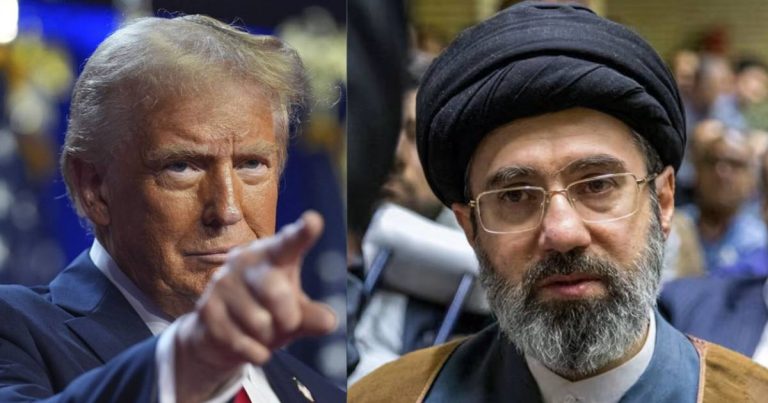
Trump Iran warning has escalated global tensions after US President Donald Trump said Iran could be “destroyed overnight” if it fails to reopen the Strait of Hormuz before his deadline.
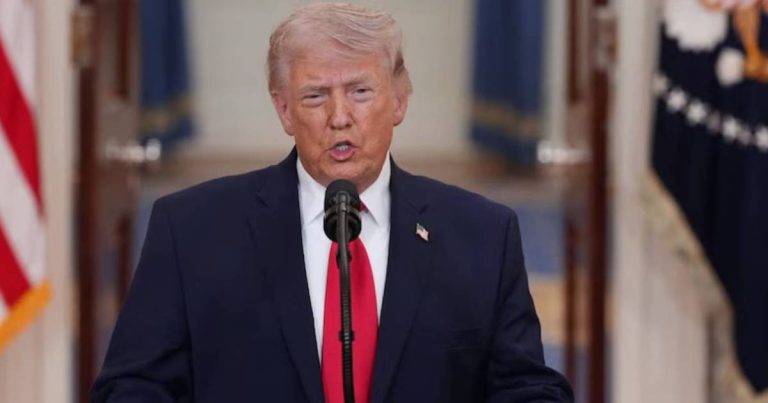
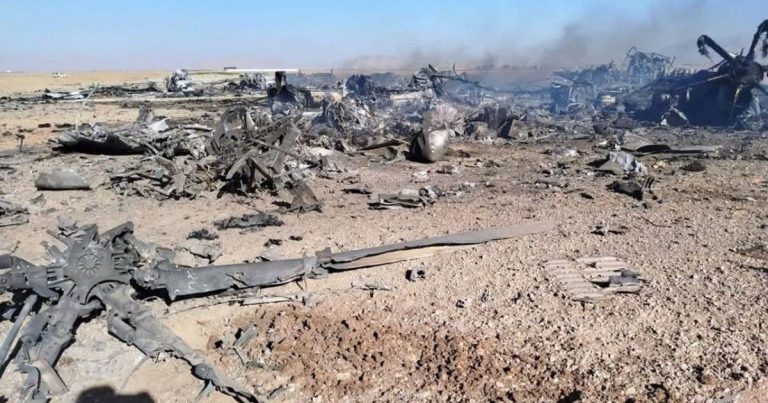
Speaking at the White House, Trump stated that the United States is prepared to launch rapid and large-scale strikes targeting Iran’s infrastructure. He said key facilities, including bridges and power plants, could be disabled within hours, significantly impacting the country’s operations.
The Trump Iran warning has raised concerns about a potential military conflict in the region. Trump also suggested that in the event of war, the United States could take control of Iran’s oil resources, framing it as an outcome of victory. As the deadline approaches, uncertainty remains over whether escalation can be avoided.
Diplomatic Efforts Continue Despite Uncertainty
At the same time, diplomatic efforts are ongoing, although chances of success appear to be narrowing. Countries such as Pakistan, Egypt, and Turkey are making final attempts to broker a ceasefire between the two sides.
Indirect communication is also underway between US envoy Steve Witkoff and Iran’s Foreign Minister Abbas Araghchi, with reports of message exchanges aimed at easing tensions. A proposed two-phase agreement is being discussed, starting with a 45-day ceasefire to create space for broader negotiations.
More complex issues, including reopening the Strait of Hormuz and Iran’s nuclear program, are expected to be addressed in a later phase. However, with positions remaining firm, the Trump Iran warning continues to dominate concerns over regional stability.