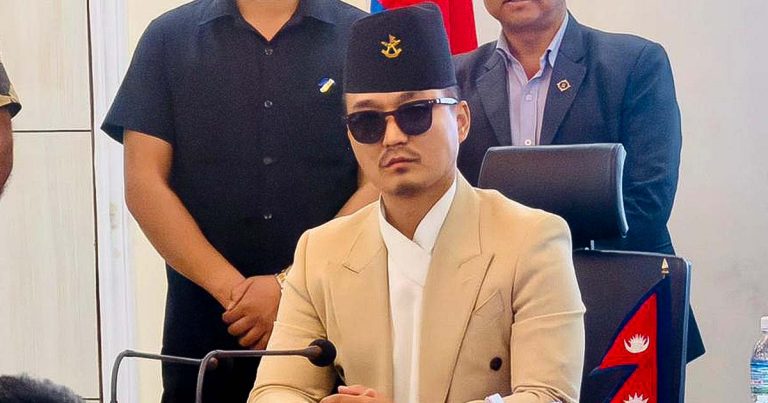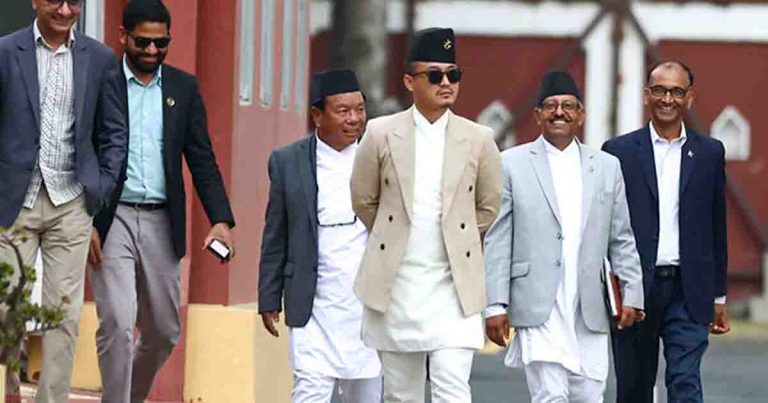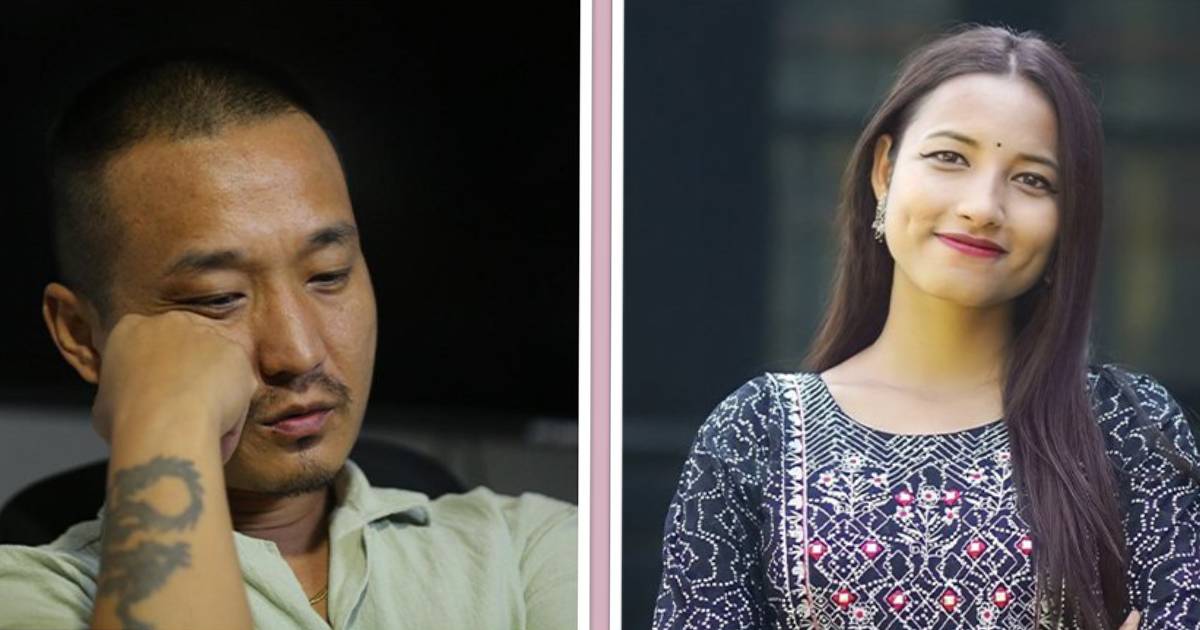
Kathmandu — Gen Z activist Rakshya Bam has strongly criticized Home Minister Sudan Gurung over his recent remarks on poverty, triggering widespread backlash and raising concerns about political accountability in Nepal. The controversy has intensified debates on inequality and the responsibility of public officials.
Bam, in a Facebook post, accused Gurung of making statements that undermine the dignity of economically vulnerable citizens. accused Gurung of making statements that undermine the dignity of economically vulnerable citizens, calling his comments “inappropriate” and against the decorum expected from a minister.
Activist Challenges Minister’s Poverty Narrative
Referring to Gurung’s statement that being born poor is not a fault but dying poor is, Bam argued that such views ignore the structural realities faced by millions. She stressed that economic hardship in Nepal is not a matter of individual failure but a consequence of limited opportunities and systemic gaps.
“Film dialogues are written for fiction, but real life is shaped by struggle,” she wrote, adding that judging people based on financial status is both unfair and disconnected from ground realities.
Poverty Context Raises Wider Concerns
Bam highlighted that more than 20 percent of Nepal’s population lives below the poverty line, noting that the state has not provided equal opportunities for upward mobility. She argued that without realistic policies to improve livelihoods, blaming citizens for their economic status reflects a deeper governance failure.
Her remarks have resonated across social media, where users questioned whether policymakers fully understand the challenges faced by ordinary citizens.
Gurung’s Comments Trigger Political Backlash
The controversy began after Gurung defended himself amid criticism over ministers’ asset disclosures, stating that earning wealth without corruption before joining government is not a “sin.” He added that becoming wealthy through corruption in office would be wrong.
However, his follow-up comment — implying personal responsibility for remaining poor — drew sharp reactions from critics and observers alike.
Post Deleted Amid Growing Criticism
Facing mounting backlash, Gurung later deleted the post from Instagram. The move has done little to calm the debate, with critics continuing to question the tone and implications of his remarks.
Bam warned that labeling economically disadvantaged individuals as “wrong” could normalize harmful narratives and deepen social divisions. She urged the minister to reconsider his stance and uphold the dignity of all citizens.
Debate Reflects Broader Governance Questions
The incident has reignited broader discussions about inequality, governance, and accountability in Nepal. Analysts say such controversies highlight the growing scrutiny public figures face in the digital age, where statements can quickly escalate into national debates.
As reactions continue, the episode underscores the sensitivity of poverty-related discourse in a country where economic disparities remain a pressing issue.