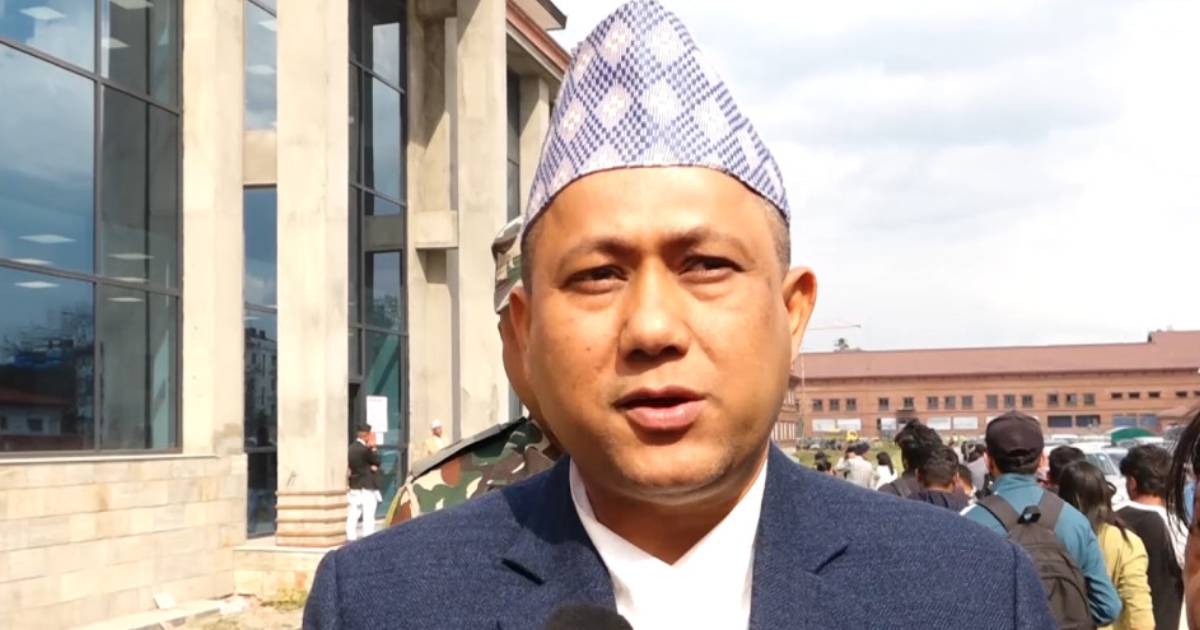
Foreign Minister Shishir Khanal has outlined the growing Middle East conflict impact on Nepal, highlighting efforts to ensure citizen safety and manage rising economic pressure.
Speaking at the Parliament premises, Khanal said the government is prioritizing both diplomatic responsibilities and its 100-point action plan while closely monitoring developments in conflict-affected regions. The Ministry of Foreign Affairs is collecting data on Nepalis abroad, with more than 88,000 individuals already registered.
He noted that calls to the 24-hour hotline have decreased compared to the early days of the crisis. Most inquiries now relate to visa issues, job leave, and routine concerns rather than immediate threats. According to feedback, many Nepalis in the region still feel safe, and there is no strong demand for urgent evacuation.
To support those wishing to return, Nepal Airlines has been operating regular flights to Dubai and Saudi Arabia. For countries without direct connections, such as Bahrain and Kuwait, passengers are being routed through Saudi Arabia. Despite global airfare increases due to fuel costs, Nepal Airlines is offering tickets at around one-third lower than market rates.
Economic Pressure and Government Response
The Middle East conflict impact is now clearly visible in Nepal’s economy, especially in the energy sector. Khanal said rising petroleum prices have pushed Nepal Oil Corporation into a severe financial crisis, with projected losses of nearly Rs 17 billion in just 15 days.
To reduce fuel consumption and ease public burden, the government has introduced measures such as two public holidays per week and delaying school sessions. These steps aim to control demand and limit inflationary pressure.
He added that the impact extends beyond fuel, with potential risks to fertilizer supply, industrial raw materials, and remittance inflows. The government is preparing a detailed report on these issues, expected to be submitted soon.
Khanal expressed confidence that the ministry is effectively handling the situation, stating that early results are already visible as Nepal continues responding to the Middle East conflict impact.