Kathmandu — The Aam Janata Party (AJP) has reshuffled leadership across all seven provinces and its Kathmandu Valley special provincial committee, aiming to strengthen its organizational structure and streamline ongoing political activities.
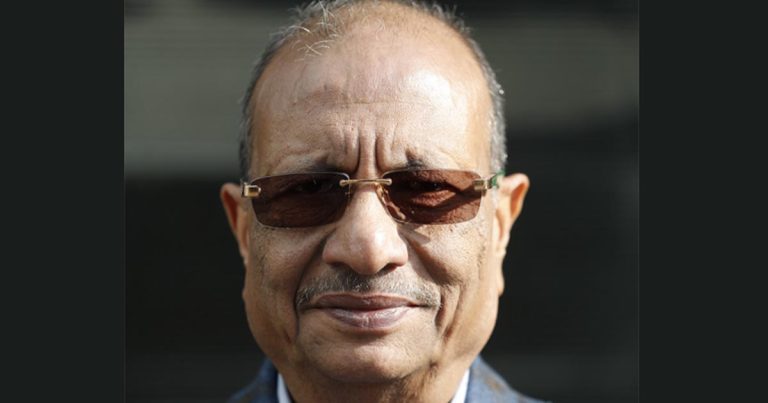
Party chairman Prabhu Sah said the restructuring includes a review and reassignment of key responsibilities such as in-charges, co-in-charges, chairmen, spokespersons, and office secretaries to make the organization more effective and coordinated.
Provincial Leadership Appointments
Under the new provincial structure, Tilak Thapamagar has been appointed in-charge of Koshi Province, with Jurilal Mochi as co-in-charge. In Madhesh Province, Tribhuvan Sah ‘Amar’ has been named in-charge, while Umesh Kushwaha has been appointed chairman.
In Bagmati Province, Dhankumari Magar has been assigned as in-charge and Pasang Tamang as chairman. In the Kathmandu Valley special provincial committee, Devi Pandit Regmi has been appointed in-charge and Vijay Yadav as chairman.
In Gandaki Province, Tilak Thapamagar has been named in-charge, Bhojraj Tripathi as co-in-charge, and Chet Bahadur Kumal as chairman. In Lumbini Province, Radheshyam Gupta has been appointed in-charge, Vidya Sharma as co-in-charge, and Shaligram Pathak as chairman.
For Karnali Province, Vidyaprasad Sharma has been appointed in-charge and Ram Bista as chairman. In Sudurpashchim Province, Bikram Bahadur Bam has been named in-charge, with Bishnu Singh Bohara as chairman.
Central-Level Restructuring
At the central level, Tilak Thapamagar, Chandrabhushan Sah, and Subhash Sah have been appointed as central spokespersons. Rabindra Singh, Ranjukumari Sah, and Bal Krishna Sapkota have been designated as office secretaries.
The party has also reorganized its central structure, forming a 13-member central office, a 91-member central secretariat, and a 257-member central committee, including alternative members, bringing the total central committee to 337 members.