
Kathmandu — The United States has sent a detailed ceasefire proposal to Iran in an effort to de-escalate rising tensions in the Middle East, according to multiple international media reports. The proposal was delivered earlier this week through mediators.
Key Conditions in U.S. Ceasefire Proposal
The framework outlines key conditions related to Iran’s nuclear program and regional activities. The United States has called on Iran to commit to never developing nuclear weapons and to shut down three major nuclear facilities—Fordow, Natanz, and Isfahan. It also proposes transferring enriched uranium to the International Atomic Energy Agency (IAEA) under international monitoring.
The proposal further includes restrictions on Iran’s ballistic missile program and calls for the full reopening of the Strait of Hormuz, a critical global oil transit route. Washington has also urged Tehran to end all financial and military support to groups operating in Lebanon, Yemen, and Palestine.
According to reports, the United States has indicated it would lift international sanctions on Iran if the proposal is accepted. It has also offered support for Iran’s civilian nuclear energy program under strict international oversight.
Iran Rejects Proposal and Issues Counter Demands
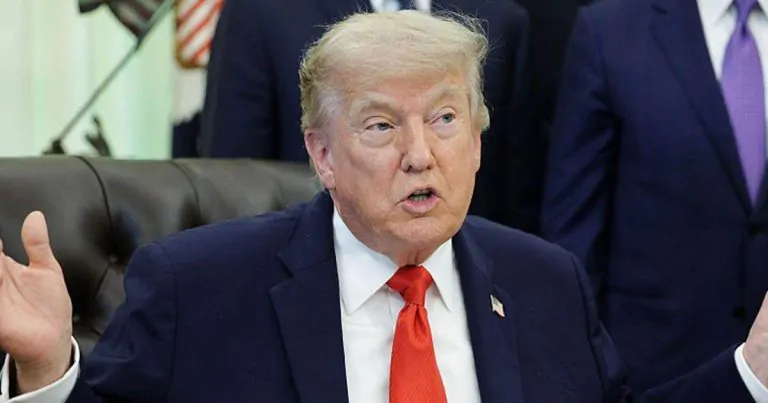
The proposal has not been officially released by the U.S. government. President Donald Trump said Iran appears willing to reach an agreement but may be reluctant to state this publicly due to domestic political considerations.
However, the Associated Press reported that Iran rejected the proposal within 24 hours of receiving it and has prepared a counterproposal.
Iran has demanded security guarantees before any agreement, including assurances that the United States will not carry out further attacks. It has also called for compensation for previous military actions and the withdrawal of U.S. forces from countries in the Gulf region.
Tehran has further proposed that ships using the Strait of Hormuz pay transit fees. It has also insisted on continuing its missile program without restrictions and has called for Israel to halt strikes on Iran-backed groups in Lebanon.
Rising Tensions and Diplomatic Uncertainty
Analysts say Iran’s position reflects the growing influence of the Islamic Revolutionary Guard Corps (IRGC) within its political and security structure. U.S. officials have described Iran’s demands as unrealistic and difficult to meet. One official familiar with the discussions said the conditions are not feasible.
There are currently no direct talks between the two sides, but messages continue to be exchanged through intermediaries. Earlier, President Donald Trump warned of possible strikes on Iran’s energy infrastructure if the Strait of Hormuz was not reopened.
He later announced a temporary pause, stating that no such attacks would be carried out for five days. The situation remains fluid, and ongoing diplomatic efforts are expected to play a critical role in shaping regional stability.