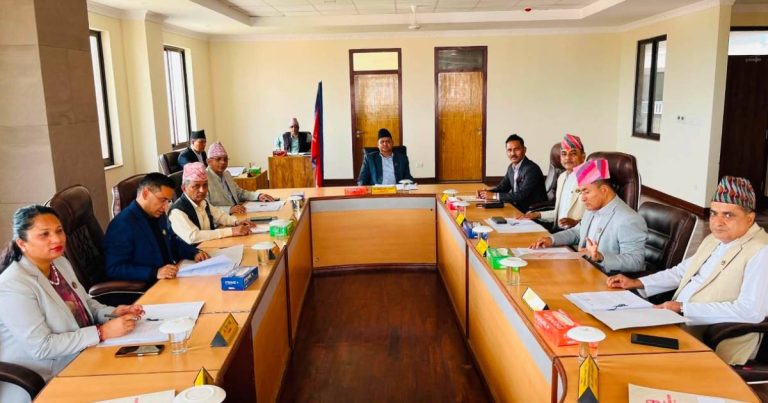
Ram Sahaya Yadav Highlights Press Freedom Challenges
Vice President warns of algorithm impact and misinformation on World Press Freedom Day 2026
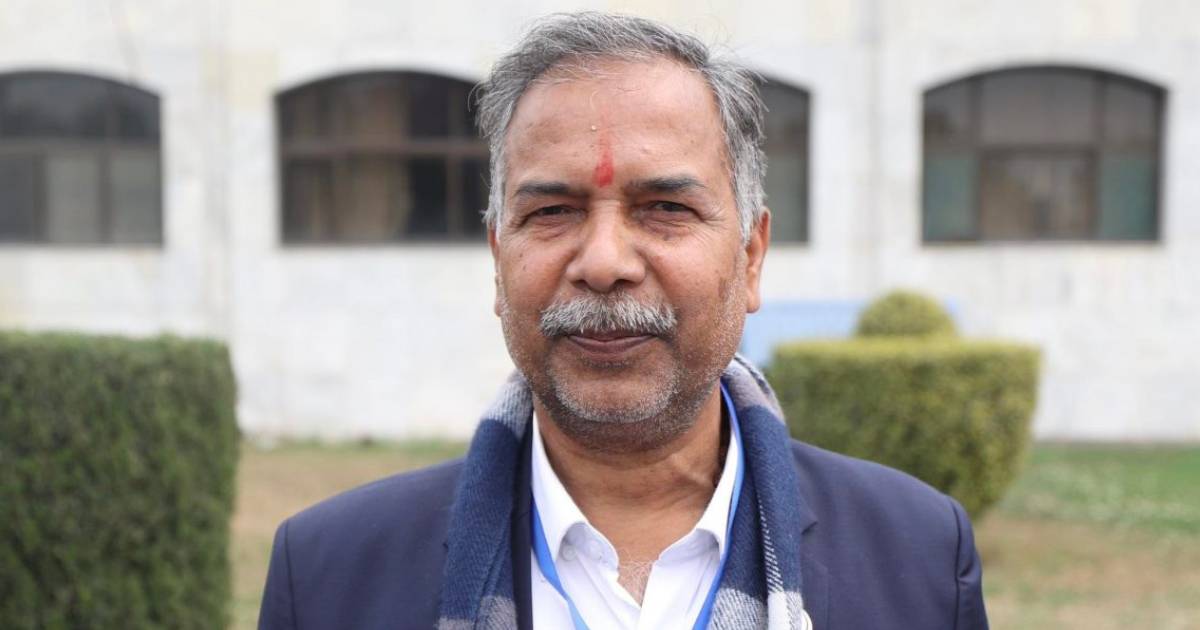


Marking World Press Freedom Day 2026, Vice President Ram Sahaya Prasad Yadav has extended his best wishes to journalists and citizens at home and abroad, highlighting both the growing reach of modern media and the challenges that come with it.
His message draws attention to the changing landscape of news consumption, shaped increasingly by digital platforms and algorithm-driven visibility.
He stressed that while social media has made information more accessible and immediate, it has also created new risks where misleading content can gain prominence over verified facts.
In this evolving environment, he called for greater responsibility from both journalists and the public to uphold truth and make informed choices.
Message on World Press Freedom Day 2026
Vice President Yadav issued his statement through social media on May 3, acknowledging World Press Freedom Day 2026 as a moment to reflect on the role of journalism in society. He extended greetings to all media professionals and the broader Nepali community worldwide.
His message emphasized the importance of this day as not just a symbolic occasion, but as a reminder of the ongoing responsibilities that come with press freedom. He underlined that the celebration should also encourage deeper awareness of the challenges faced by the media sector.
Changing Nature of Media and Information Flow
According to the Vice President, the traditional boundaries of journalism have expanded significantly. News is no longer limited to print publications or broadcast channels, as digital platforms and social networks now dominate the flow of information.
He pointed out that social media has accelerated how quickly news spreads, making it easier for people to access updates in real time. However, this speed comes with complications. Algorithms used by these platforms can influence what users see, sometimes pushing verified information into the background while amplifying misleading or unverified content.
This shift, he noted, has added a layer of complexity to how news is produced, distributed, and consumed.
Challenges of Algorithm-Driven Content
A key concern highlighted in the message was the growing influence of algorithms in shaping public understanding. The Vice President warned that these systems can unintentionally prioritize content that is engaging rather than accurate.
He explained that such dynamics create challenges for both journalists and the general public. Media professionals must work harder to ensure accuracy and credibility, while citizens must develop the ability to distinguish between reliable information and misleading narratives.
In this context, he stressed the importance of critical thinking and responsible communication practices.
- Algorithms can affect which news stories gain visibility
- False or misleading content may spread more easily
- Public awareness and media literacy are becoming increasingly important
Press Freedom as a Shared Right
Vice President Yadav underscored that press freedom is not limited to journalists alone. He described it as a collective right that belongs to all citizens.
He explained that the ability to access truthful information, express opinions freely, and make informed decisions is essential for a functioning society. These rights, he said, are closely linked to the broader principle of freedom of expression.
By framing press freedom in this way, he highlighted its importance beyond the media industry, connecting it directly to the everyday lives of citizens.
Situation of Journalism in Nepal
Reflecting on the national context, the Vice President acknowledged the resilience of journalists in Nepal. He noted that media professionals in the country have consistently demonstrated
courage in bringing important issues to light, even under difficult circumstances.
At the same time, he pointed out that the media sector continues to face multiple pressures. These include financial challenges, political influence, and the rapid spread of misinformation through digital platforms.
He emphasized that these factors require journalists to adopt more refined, balanced, and responsible approaches in their work. Maintaining credibility and public trust, he suggested, is more important than ever.
Constitutional Protection and Democratic Role
The Vice President reaffirmed that press freedom is guaranteed as a fundamental right under the Constitution of Nepal. He described this legal protection as a guiding framework for both journalists and institutions.
He also highlighted the essential role of a free press in sustaining democracy. According to him, independent journalism acts as a pillar that supports transparency, accountability, and informed public participation.
This constitutional backing, he noted, should serve as both a safeguard and a responsibility for those engaged in the media sector.
Call for Responsible and Fearless Journalism
Concluding his message, Vice President Yadav expressed hope that journalists will continue to exercise their rights with confidence and integrity. He encouraged the media to operate without fear while remaining committed to truth and ethical standards.
He also called on all stakeholders, including the public, to support responsible journalism. By promoting accurate information and constructive dialogue, he said, society can better navigate the challenges of the modern information environment.
His message ultimately framed World Press Freedom Day 2026 as an opportunity to renew commitment to truth, accountability, and the shared responsibility of protecting press freedom.


Written by Roshan Shrestha
Roshan Shrestha is a journalist, author, and digital entrepreneur. He is the founder and editor-in-chief of Khoj Samachar and works in investigative and public-interest journalism, focusing on anti-corruption reporting, transparency, and youth-driven civic engagement through fact-based digital media. He was born in Bahrabise, Nepal.
Nepal Government to Print National ID Cards Itself
Everything You Need to Know About the 2026/27 National Budget
Singha Durbar Toilets Remain in Poor Condition
Manoj Kumar Sharma Set to Become Nepal’s Chief Justice
Koshi Police Honors Inspector Sagar Sah for Innovative Policing
Asim Shah Reacts to Possible Gen Z Boycott of Talks