
US-Iran Ceasefire Deal Eases Gulf Tensions
Temporary US-Iran ceasefire offers relief after weeks of conflict and rising Middle East tensions


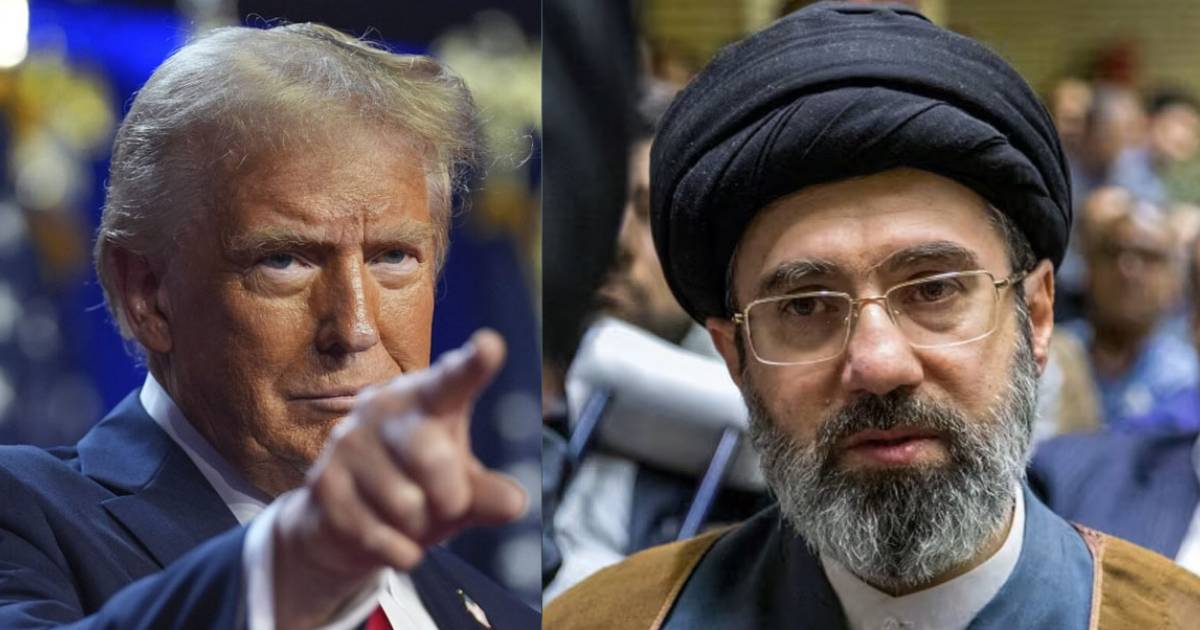
The US-Iran ceasefire deal has been reached for a two-week period, offering a pause in escalating tensions and raising cautious hopes for stability across the Gulf region.
The announcement came early Wednesday following intense diplomatic efforts and mounting military pressure. US President Donald Trump confirmed the agreement through a public statement, bringing an immediate halt to fighting that has affected multiple countries over the past six weeks.
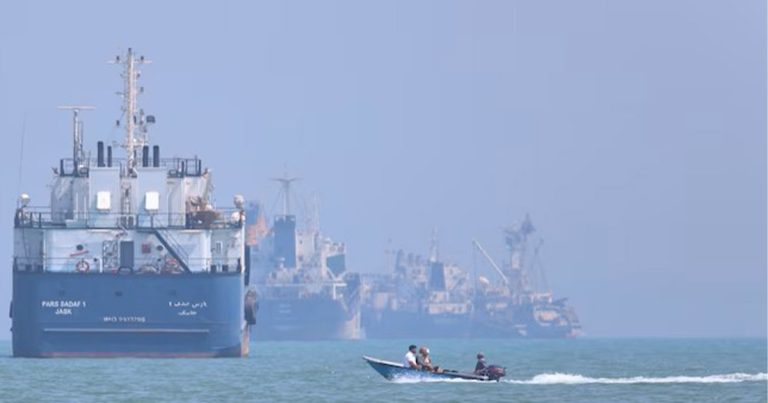
Just hours before the breakthrough, Washington had issued a firm ultimatum to Tehran to reopen the Strait of Hormuz by Wednesday morning. Trump had warned that failure to comply could lead to the destruction of Iran’s civilization, signaling a sharp escalation in rhetoric. However, with less than two hours remaining before the deadline expired, both sides moved toward compromise, paving the way for a ceasefire agreement.
Behind the scenes, diplomatic engagement played a key role in easing tensions. Pakistan’s Prime Minister Shehbaz Sharif held overnight discussions with both sides, helping bring them closer to agreement.
Following the deal, both countries acknowledged his role in facilitating dialogue. Officials also indicated that Israel has agreed to the ceasefire framework, while Iranian authorities suggested the arrangement may extend to Lebanon as part of broader regional de-escalation efforts.
Broader Implications and Next Steps
The US-Iran ceasefire deal goes beyond a temporary pause in fighting and includes broader proposals aimed at reducing long-term tensions. These efforts focus on ending ongoing conflicts across the Gulf, ensuring safe maritime movement through key routes, and opening discussions on easing sanctions and supporting reconstruction.
Iran has indicated it could reopen the Strait of Hormuz if attacks from Israel stop, linking maritime security to wider regional stability. Iranian state media has also suggested that the agreement includes multiple points covering conflict resolution, economic recovery, and regional cooperation.
Formal talks are expected to take place in Islamabad within the next 15 days, where both sides will attempt to negotiate a more lasting solution. The conflict so far has resulted in more than 5,000 deaths across several countries, including over 1,600 civilians in Iran.
The US-Iran ceasefire deal has already brought relief to global markets, with oil prices dropping sharply and investor confidence improving. If sustained, the agreement could open the door to broader diplomatic engagement and reduce the risk of further escalation in the region.


Written by Roshani Shrestha Pathak
Roshani Shrestha Pathak is the English Bureau Chief at Khoj Samachar, overseeing English-language editorial operations and newsroom coordination.
Sonam Wangchuk Update: Forced to Hospital, Says Abhijeet Dipke

Attack Was Attempted on Sonam Wangchuk, Says Abhijeet Dipke

Sonam Wangchuk Vows to Survive Hunger Strike Until July 20

US Attacks Iran Again as Fighting Enters Sixth Night
Jordan Shoots Down Eight Iranian Missiles
US House Passes Permanent Daylight Saving Time Bill
Indian Crew Member Killed in Hormuz Tanker Attack