Nepal Cabinet Decisions: Loan Approved, Fuel Taxes Cut
Government clears World Bank loan, infrastructure projects, and fuel tax relief measures


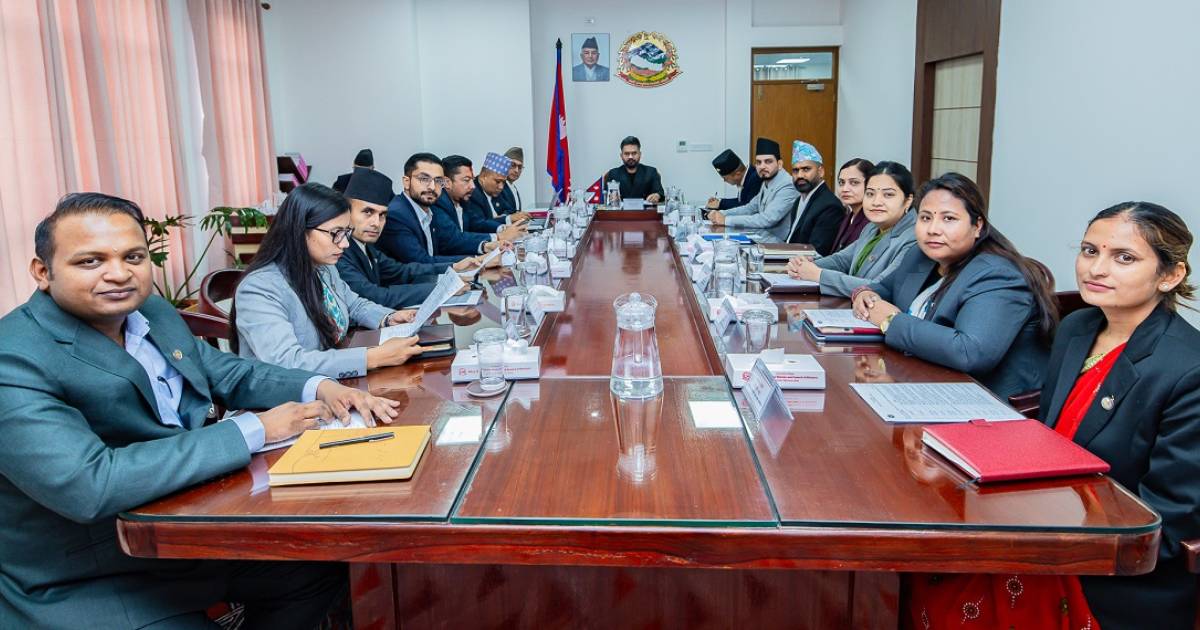
Cabinet decisions Nepal on Tuesday introduced major economic, infrastructure, and administrative measures, including a concessional foreign loan, fuel tax relief, and key high-level appointments.
The Cabinet approved a concessional loan of 85 million US dollars from the World Bank to support the Greater Lumbini Area Development Project under the Ministry of Finance. The initiative is expected to strengthen infrastructure and promote tourism in one of Nepal’s most significant cultural and religious regions.
In infrastructure development, the government granted approval for acquiring private land in key project areas. These include sections of Dhunibesi Municipality along the western stretch of the Nagdhunga Tunnel route, as well as areas in Uttargaya Rural Municipality along the Betrawati–Dhunche–Syafrubesi road corridor. Authorities said the decision aims to speed up long-delayed projects considered critical for connectivity and economic activity.
The Cabinet also cleared the use of 46.39 hectares of forest land across Kathmandu, Lalitpur, and Makwanpur districts for the construction of the Kathmandu–Tarai Madhesh Fast Track. Along with this, permission was granted to cut down 18,898 trees, a move officials say is necessary to keep the national pride project on schedule, though it may raise environmental concerns.
As part of institutional restructuring, the Water and Energy Research Center currently located in Pulchowk, Lalitpur, will be relocated to Godavari. The existing building will now house the Secretariat of the Water and Energy Commission, a shift intended to improve coordination in policy planning and research.
Fuel Relief Measures and Key Appointments
Key appointments were also made. Dr. Gunakar Bhatta has been appointed as Vice-Chairperson of the National Planning Commission, while Kiran Pandit has been named Deputy Governor of Nepal Rastra Bank. Additionally, the Cabinet accepted the resignations of the chairperson and members of the Problematic Cooperatives Management Committee.
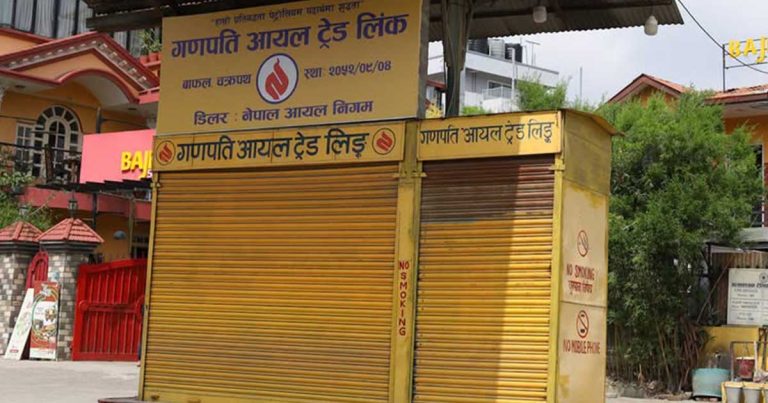
Amid rising economic pressure, Cabinet decisions Nepal also focused on fuel-related relief. The government has announced a 50 percent reduction in customs duties and infrastructure development tax on the import of petrol, diesel, and kerosene. Officials revealed that the state has been facing a loss of nearly NPR 11.72 billion in just the past two weeks due to the ongoing fuel crisis.
To reduce consumption, the government is considering additional measures such as declaring Sunday a public holiday, implementing an odd-even vehicle system, and promoting the use of electric vehicles and ethanol-based fuel alternatives. These steps are part of a broader strategy to ease financial strain and manage energy demand.
The latest Cabinet decisions Nepal signal a strong push toward balancing economic stability, infrastructure expansion, and administrative reform, with further policy actions expected in the coming weeks.


Written by Pushpa Tamang
Pushpa Tamang is Managing Editor at Khoj Samachar, leading English and Nepali bureaus, newsroom operations, and editorial standards.
Nepal Moves to Standardise Burn Treatment Nationwide
Nepal to Impose VAT on Electricity Bills from Tomorrow
Nepal’s Free Treatment Portal Serves Over 2,200 in 90 Days

Minister Nisha Mehta Pushes Burn Care Across Seven Provinces
Nepal Supreme Court Opens Government Ads to Private Media
Full LPG Cylinders to Be Sold After Minister Yadav’s Order
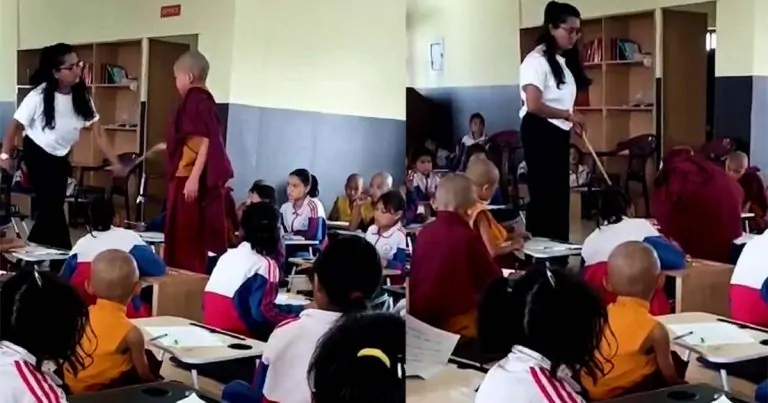
Khawalung School Video: What Happened Between Teacher and Student?