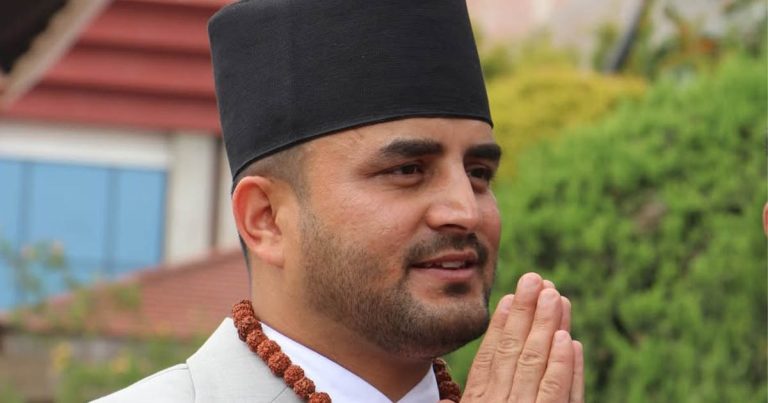
Manish Jha Calls for Discipline in Parliament
RSP lawmaker says Parliament must reflect public voice, not act like an informal space


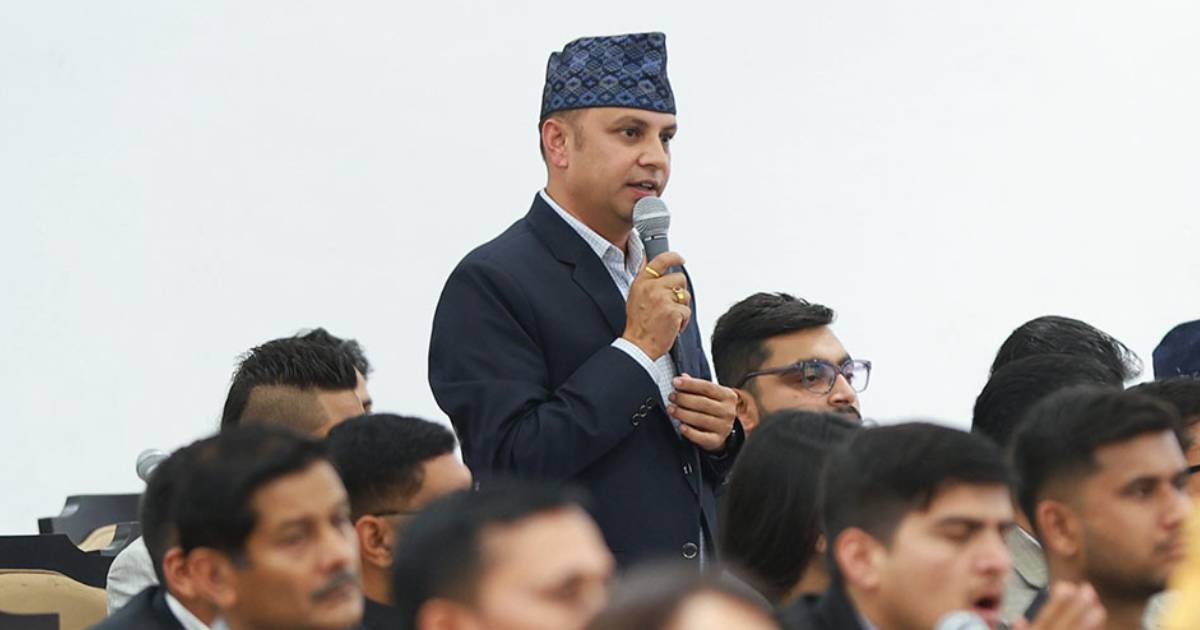
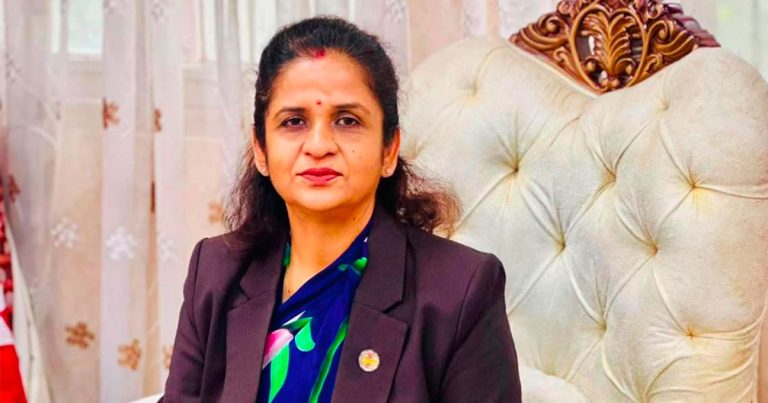
Rastriya Swatantra Party lawmaker Manish Jha has called for greater discipline in Parliament, warning members against treating it as an informal space and stressing the need for principle-driven debate.
Speaking during Monday’s House of Representatives meeting, Jha said Nepal’s parliamentary practice has often been influenced by power centers rather than guided by clear principles. He noted that past legislatures focused more on numbers than ideology, weakening the foundation of decision-making.
According to Manish Jha, the current Parliament must move beyond that pattern and establish itself as a body rooted in accountability and values. His remarks came as several front-row seats—typically occupied by top leaders—remained empty, raising concerns about commitment and participation.
He emphasized that lawmakers must not only attend sessions but also come prepared. Parliament, he said, should function as a serious platform for discussion where members present well-researched questions and proposals that reflect public concerns.
Parliament Must Reflect People’s Voice
Highlighting the role of lawmakers, Manish Jha said Parliament should not resemble a casual gathering where members come and go freely or speak without preparation. Instead, he described it as a “gurukul” or a university-like institution that demands responsibility and intellectual engagement.
He also recalled a public incident on Bhadra 24, warning that if Parliament fails to address citizens’ concerns, people themselves may step into institutional spaces. He stressed that public trust depends on whether their voices are heard and represented.
Calling the current legislature one of the most promising in South Asia, Manish Jha said there is a strong opportunity to strengthen democratic practices through accountability and meaningful debate.
In conclusion, Manish Jha’s message highlights a clear expectation: Parliament must become a disciplined, principle-driven institution where citizens’ voices are genuinely represented.


Written by Roshani Shrestha Pathak
Roshani Shrestha Pathak is the English Bureau Chief at Khoj Samachar, overseeing English-language editorial operations and newsroom coordination.
Nepal Moves to Standardise Burn Treatment Nationwide
Nepal to Impose VAT on Electricity Bills from Tomorrow
Nepal’s Free Treatment Portal Serves Over 2,200 in 90 Days
Minister Nisha Mehta Pushes Burn Care Across Seven Provinces
Nepal Supreme Court Opens Government Ads to Private Media
Manish Jha Calls for Investigation Into Media Blockades
Full LPG Cylinders to Be Sold After Minister Yadav’s Order