Fewa Lake Land Case: Sudan Gurung Seeks Legal Action
Minister says leased land fell within restricted zone, plans legal action over alleged deception


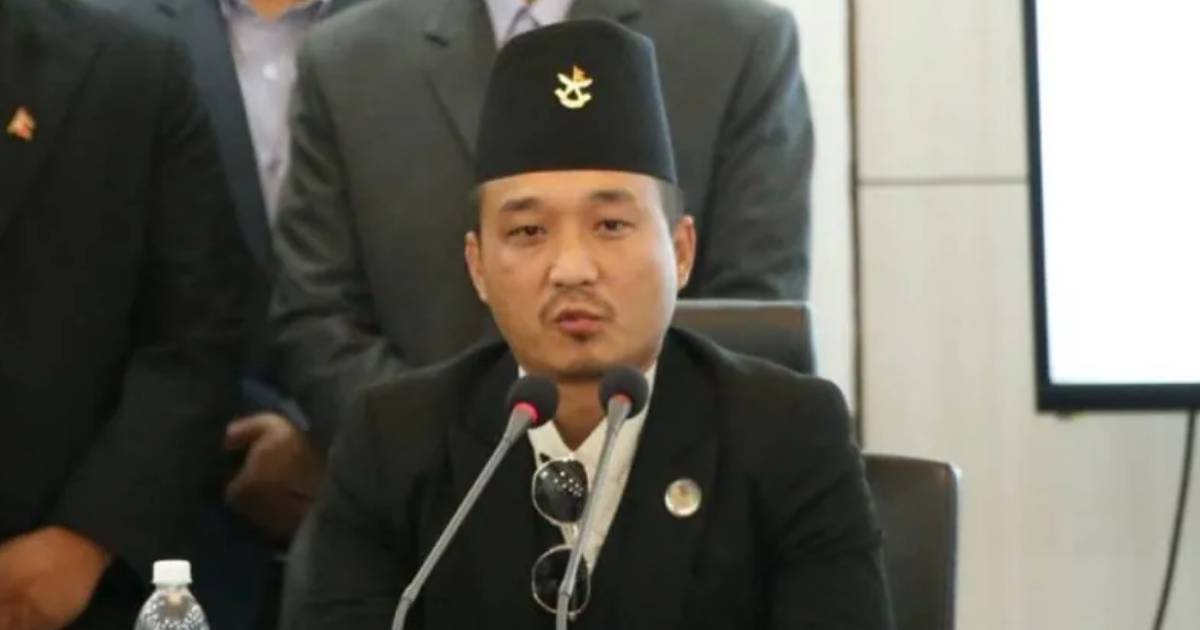
The Fewa Lake land case has taken a new turn as Home Minister Sudan Gurung said he was misled in a past land lease deal linked to a tourism project near Pokhara.
Gurung revealed that the issue dates back around 8–10 years, when he and two partners launched a tourism initiative near Fewa Lake with a focus on adventure activities and local development. The project was part of a broader effort to promote tourism in an underdeveloped area and create new economic opportunities.
According to Gurung, the group had leased land after being assured by the landowners that it was legally safe and did not fall within the restricted 65-meter boundary established to protect the lake. He said documents, including ownership certificates, were shown to support these claims, which led them to proceed with investment and planning.
However, the situation changed after verification with local authorities. Gurung stated that it was later confirmed the leased land actually fell within the protected boundary, making any construction there non-compliant with regulations. Following this discovery, the group immediately halted all construction and stopped further investment to avoid violating the law.
Speaking about the incident, Gurung said the revelation was unexpected and disappointing, as the project had been driven by genuine intentions to contribute to tourism and local development. He emphasized that the team acted in good faith and relied on the information provided during the lease agreement.
The Home Minister has now decided to pursue legal action against those involved, stating that the partners believe they were misled and financially affected. He said they are preparing to seek justice through formal legal channels, marking a significant development in the ongoing Fewa Lake land case.
Gurung also urged the public and media to approach the issue responsibly, warning that incomplete or one-sided reporting could create misunderstandings. He called for accurate and verified information before forming conclusions.
The Fewa Lake land case continues to attract public attention as authorities move forward with enforcement actions against illegal structures. Gurung’s decision to seek legal remedy is expected to influence how similar land disputes are addressed in the future.


Written by Roshani Shrestha Pathak
Roshani Shrestha Pathak is the English Bureau Chief at Khoj Samachar, overseeing English-language editorial operations and newsroom coordination.

Why Was Sudan Gurung Criticized Despite Doing the Right Thing?
Mahesh Basnet Defends Bishnu Paudel After Arrest

Mukul Dhakal: Not Even Invited to RSP Convention
Who Attended RSP’s First National Convention in Chitwan?

Question for Sudan Gurung: When Will Nirmala’s File Reopen?
Sudan Gurung Reopens Nepal’s Palace Massacre Debate After 24 Years
Sudan Gurung Back as Home Minister